Add Your Heading Text Here
Introduction In the ever-evolving landscape of technology, 3D scanners stand as fascinating tools that have transformed the way we perceive and interact with the world around us. From reverse engineering and quality control in manufacturing to creating lifelike digital replicas of artifacts and sculptures, 3D scanners have found applications in diverse fields. In this blog post, we’ll explore the intricacies of 3D scanning, its various types, and the impact it has on industries and everyday life.
Understanding 3D Scanning:
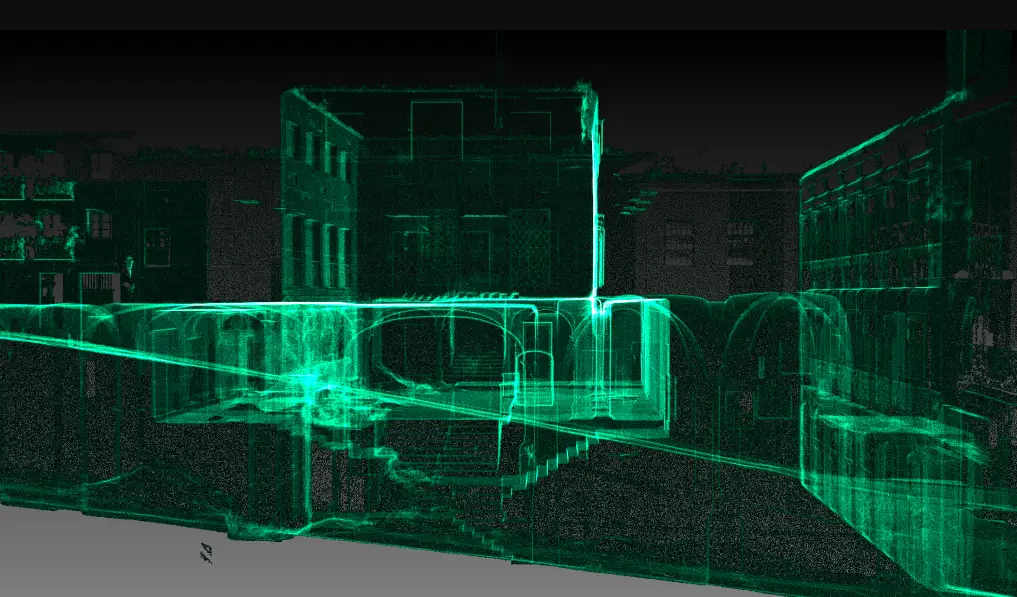
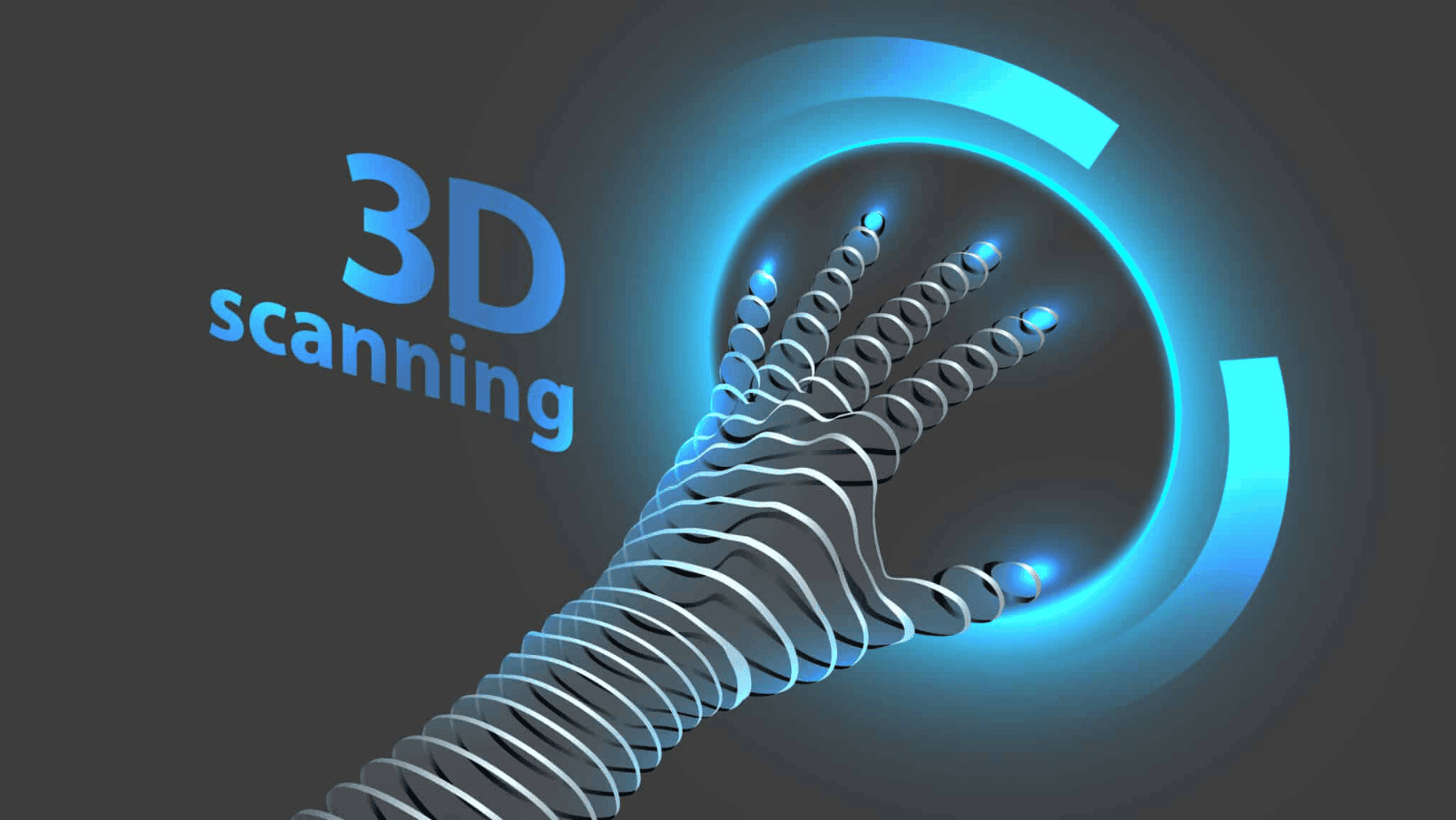
At its core, 3D scanning is a process that captures the shape and appearance of real-world objects or environments and translates them into digital 3D models. The technology employs a range of techniques, each tailored to specific requirements and desired outcomes.
Types of 3D Scanners
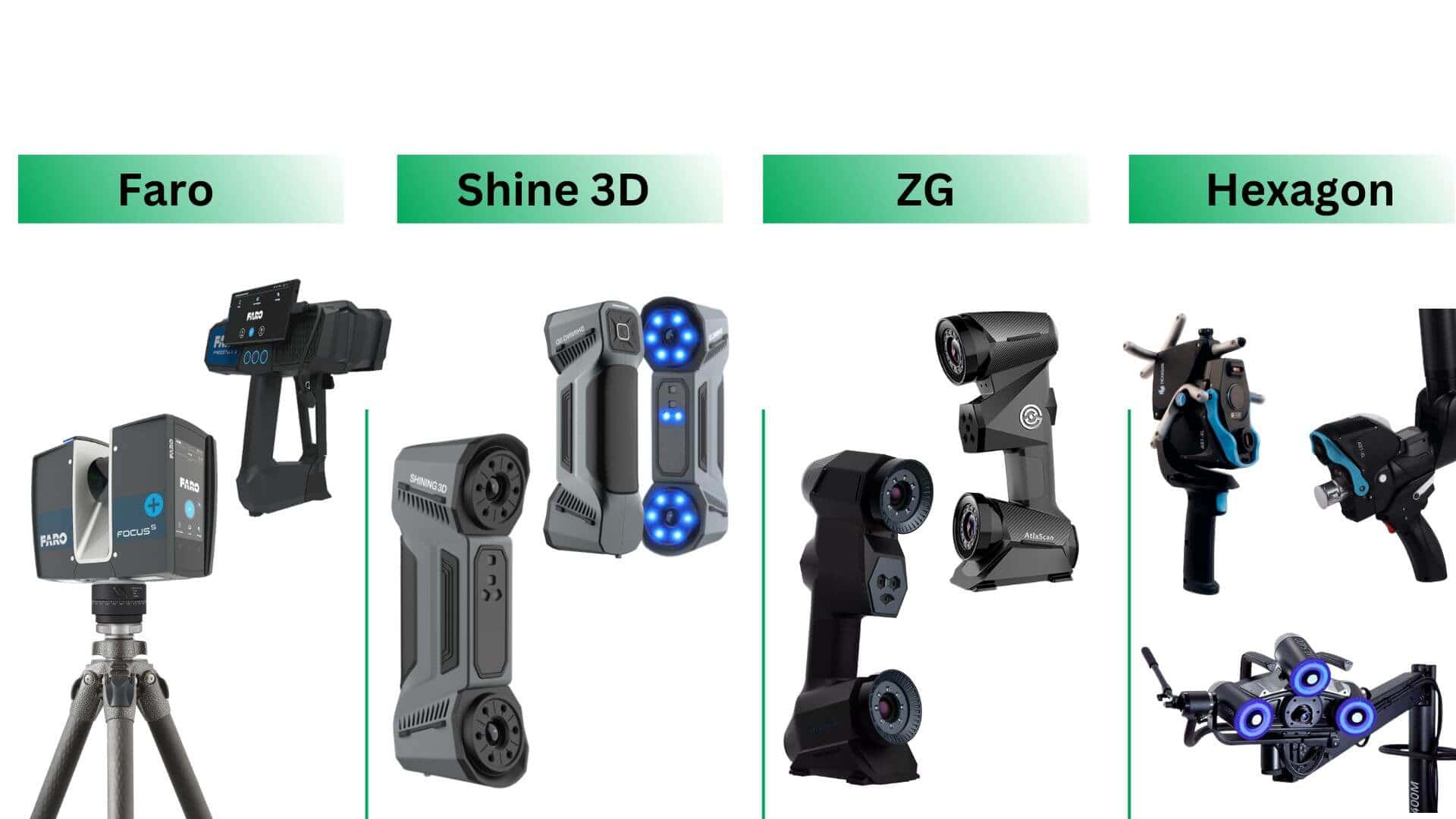
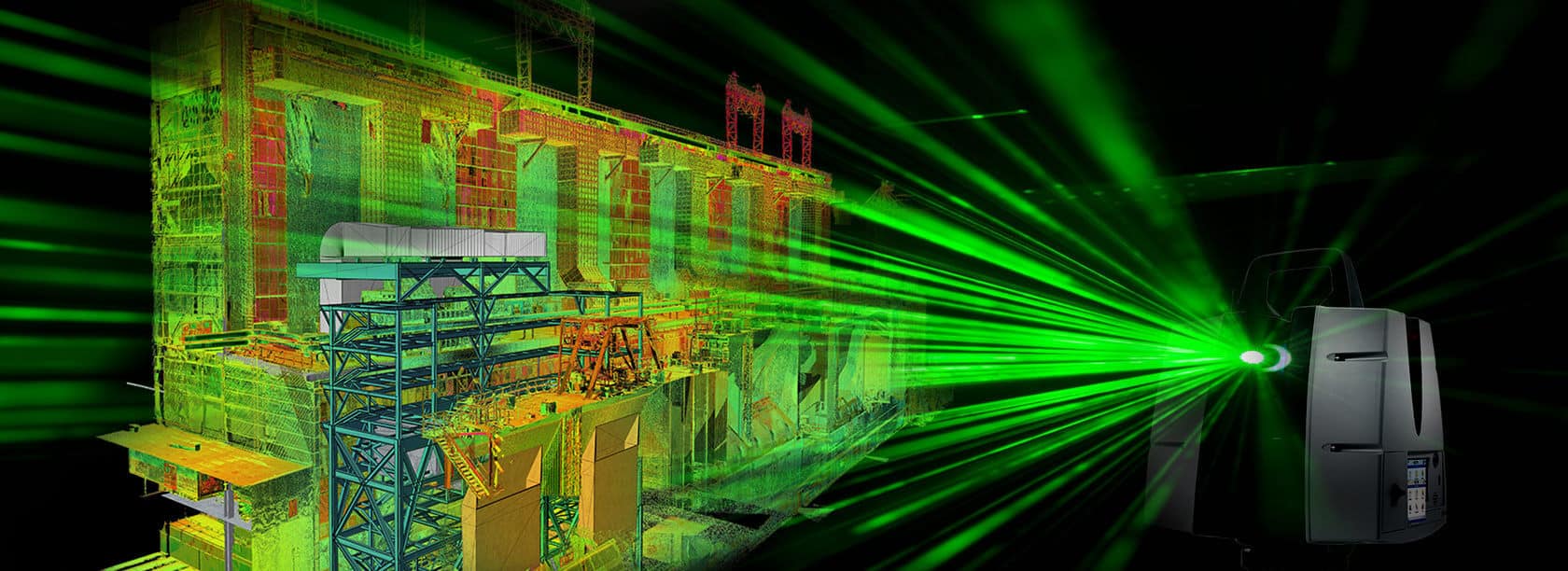
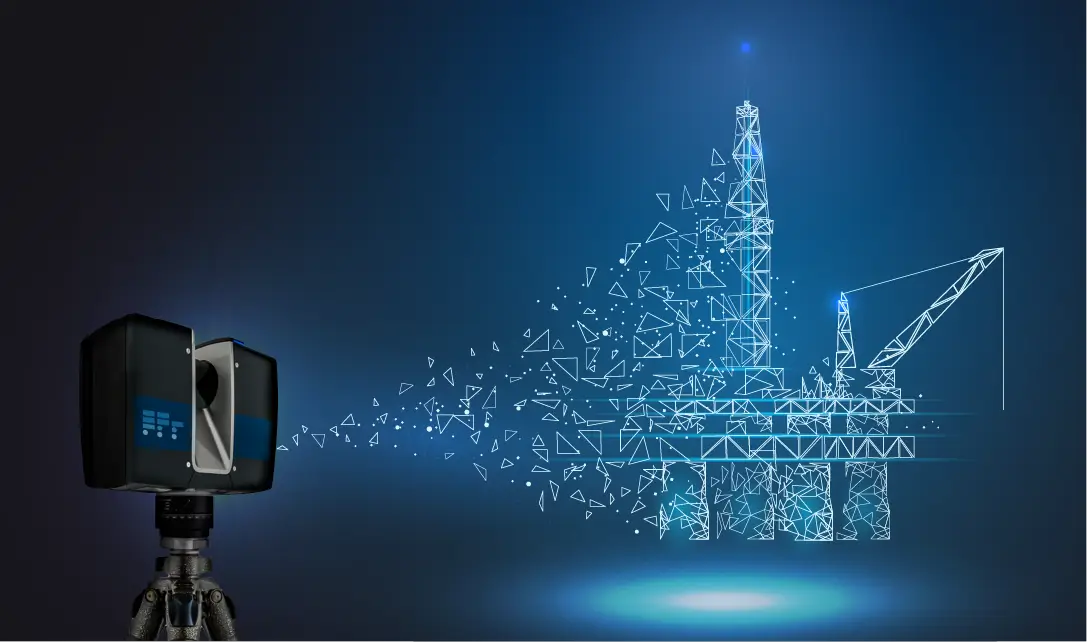
Structured Light Scanners: Utilize patterns of light projected onto the object. Measures distortions in the pattern to determine the object’s geometry. Ideal for capturing intricate details with high accuracy. Laser Scanners: Utilizes laser beams to measure the distance between the scanner and the object. Suited for both short and long-range scanning, making them versatile in various applications. Commonly used in industrial settings for precise measurements.
Photogrammetry: This involves capturing multiple 2D images of an object from different angles. The software analyzes the images to reconstruct a 3D model. Cost-effective and suitable for applications like archaeology and cultural heritage preservation.
Applications Across Industries
Manufacturing and Quality Control: – Enables precise measurement and inspection of manufactured components. – Identifies defects and ensures adherence to design specifications. Healthcare: – Used in orthopedics for creating custom implants and prosthetics. – Facilitates the production of highly personalized medical solutions. Architecture and Construction: – Aids in creating detailed as-built models of existing structures. – Streamlines the design process and enhances project visualization. Cultural Heritage Preservation: – Allows for the preservation of artifacts and historical sites through accurate digital documentation. – Facilitates restoration and research efforts. The Future of 3D Scanning As technology advances, so does the potential of 3D scanning. Future developments may include enhanced portability, increased scanning
Types of 3-d Scanners Structured Light Scanners: Utilizes patterns of mild projected onto the item. Measures distortions in the sample to decide the item’s geometry. Ideal for capturing problematic info with excessive accuracy. Laser Scanners: Utilizes laser beams to measure the distance between the scanner and the item. Suited for both short and long-variety scanning, making them flexible in diverse programs. Commonly used in commercial settings for precise measurements. Photogrammetry: This involves capturing multiple 2D photos of an item from one-of-a-kind angles. The software analyzes the pictures to reconstruct a 3D version. Cost-effective and appropriate for programs like archaeology and cultural heritage preservation.